Narendra Modi Stadium vs Global Giants: How It Stacks Up Against MCG, Eden Gardens & Wembley

In the world of sports infrastructure, stadiums are more than just venues. They represent national pride, engineering ambition, and the emotional heart of millions of fans. Over the decades, iconic arenas like the Melbourne Cricket Ground (MCG), Eden Gardens, and Wembley Stadium have become legendary for their atmosphere and history.
Yet in recent years, one stadium has changed the conversation about scale and modern design — Narendra Modi Stadium in Ahmedabad, India. With its massive capacity and cutting-edge facilities, it has become a global symbol of India’s growing influence in international sports.
But how does it truly compare with global giants like the MCG, Eden Gardens, and Wembley? The answer lies in capacity, architecture, historical significance, and fan experience.
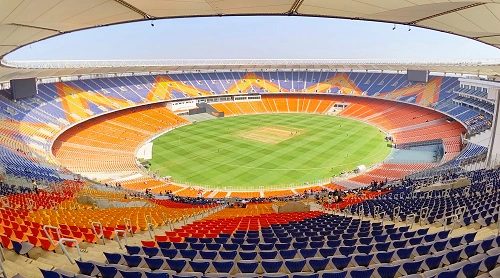
The Rise of Narendra Modi Stadium
The Narendra Modi Stadium is currently the largest stadium in the world by seating capacity, accommodating around 132,000 spectators.
Located in Motera, Ahmedabad, the stadium was rebuilt and reopened in 2020 after a complete redevelopment of the older Sardar Patel Stadium. The new structure was designed by the global architecture firm Populous and constructed by Larsen & Toubro.
Spread across a massive sports complex on the banks of the Sabarmati River, the stadium features several modern elements:
- Four world-class dressing rooms
- 76 corporate boxes
- Eleven center pitches
- Two practice grounds
- LED floodlighting instead of traditional light towers
These innovations allow the stadium to host multiple matches in quick succession while maintaining pitch quality. It also hosted the final of the 2023 ICC Cricket World Cup, marking its arrival on the biggest stage of world cricket.
Beyond cricket, the venue also hosts large public events, cultural ceremonies, and government functions, making it a multipurpose mega arena.
Melbourne Cricket Ground (MCG): The Historic Benchmark
The Melbourne Cricket Ground, often called simply “The G,” remains one of the most respected stadiums in the world.
Established in 1853, the MCG has been central to Australian sports culture for more than 170 years. Its seating capacity is about 100,000 spectators, making it the second-largest cricket stadium globally after Narendra Modi Stadium.
What makes the MCG special is not just size but legacy. The stadium has hosted:
- The 1956 Olympic Games
- The 2006 Commonwealth Games
- Multiple Cricket World Cup finals
- Annual Boxing Day Test matches
The MCG also serves as the home of Australian Rules Football’s biggest matches, including the AFL Grand Final.
In terms of emotional significance and history, very few stadiums in the world rival the MCG. However, in sheer scale and modern design, Narendra Modi Stadium now surpasses it.
Eden Gardens: The “Mecca of Indian Cricket”
While Narendra Modi Stadium is the largest in the world today, Eden Gardens in Kolkata remains one of the most iconic cricket grounds ever built.
Established in 1864, it is the oldest cricket stadium in India and has long been considered the spiritual home of Indian cricket.
The stadium currently has a seating capacity of around 68,000 spectators, following renovations carried out for the 2011 Cricket World Cup.
Eden Gardens has hosted many historic moments in cricket, including:
- The 1987 Cricket World Cup final
- The famous India vs Australia Test in 2001
- Numerous IPL and international matches
What truly sets Eden Gardens apart is its atmosphere. The crowd in Kolkata is famously passionate, often turning matches into emotional spectacles.
In comparison to Narendra Modi Stadium, Eden Gardens may be smaller, but its cultural legacy remains unmatched in the cricketing world.
Wembley Stadium: Football’s Global Cathedral
While the other stadiums on this list are cricket venues, Wembley Stadium in London represents the pinnacle of football infrastructure.
Rebuilt and reopened in 2007, Wembley has a capacity of around 90,000 spectators and is famous for its massive steel arch that rises 133 meters above the stadium.
The stadium hosts:
- England national football team matches
- FA Cup finals
- Major concerts and international events
Wembley also holds the distinction of having the largest roof-covered seating capacity in the world, ensuring fans remain protected from weather conditions.
Unlike Narendra Modi Stadium or the MCG, Wembley was built primarily as a football venue. However, its architectural identity and historical importance make it one of the most recognizable sports venues globally.
Capacity Comparison: A New Global Leader
When comparing these stadiums purely by size, the difference becomes clear.
| Stadium | Location | Capacity | Primary Sport |
| Narendra Modi Stadium | Ahmedabad, India | ~132,000 | Cricket |
| Melbourne Cricket Ground | Melbourne, Australia | ~100,000 | Cricket & AFL |
| Wembley Stadium | London, UK | ~90,000 | Football |
| Eden Gardens | Kolkata, India | ~68,000 | Cricket |
Narendra Modi Stadium is significantly larger than its counterparts, making it the largest sports stadium by seating capacity in the world.
This scale reflects India’s enormous cricket fan base and the country’s ambition to host the biggest international sporting events.
Technology and Fan Experience
Modern stadium design focuses heavily on fan experience, technology, and sustainability.
Narendra Modi Stadium stands out in several areas:
- Advanced Lighting System
The stadium uses LED floodlights installed along the roof rather than traditional light towers, eliminating shadows on the field. - Multiple Dressing Rooms
With four dressing rooms instead of the usual two, the stadium can host back-to-back matches. - Pillar-Free Design
The bowl structure ensures unobstructed views for spectators.
By contrast, older venues like Eden Gardens and the MCG have undergone renovations but still reflect traditional stadium architecture.
Wembley, meanwhile, focuses on premium hospitality and event versatility rather than maximum seating.
Cultural Influence and Global Prestige
Each of these stadiums represents something different.
Narendra Modi Stadium symbolizes India’s rise as the center of world cricket and one of the biggest sports markets globally.
MCG represents history and sporting tradition, deeply tied to Australian identity.
Eden Gardens embodies cricket’s emotional heart in India, with some of the loudest crowds in the sport.
Wembley stands as football’s grand stage, hosting iconic matches and global entertainment events.
Together, they form a group of stadiums that define international sport.
Conclusion
Narendra Modi Stadium has rewritten the record books with its 132,000-seat capacity, modern architecture, and world-class infrastructure.
Yet size alone does not define greatness.
The Melbourne Cricket Ground brings unmatched history. Eden Gardens delivers unforgettable atmosphere. Wembley Stadium remains football’s most iconic venue.
Instead of replacing these legends, Narendra Modi Stadium joins them as part of an elite global club — stadiums that define the identity of sports in their respective countries.
In the end, each arena tells its own story. But in terms of scale and ambition, Ahmedabad’s giant has undeniably raised the bar for the future of sports infrastructure.