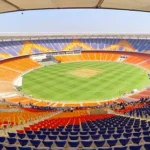
Standing along the Arabian Sea in South Mumbai, Wankhede Stadium is more than just a cricket ground. It is emotion, memory, and noise packed into concrete and steel. Located in the busy Churchgate area, this stadium has witnessed some of the biggest moments in Indian cricket history — most famously India’s 2011 World Cup victory.
As we step into 2026, Wankhede continues to grow with modern upgrades while preserving its deep connection to the legends who built its story.
1. Stadium Layout and Architecture
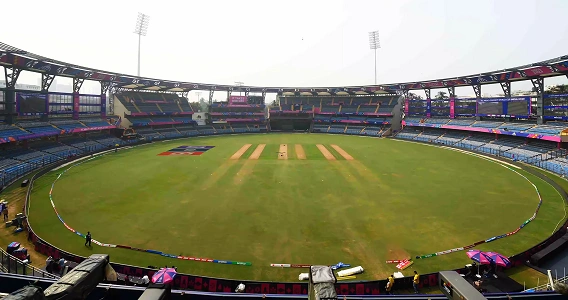
Wankhede’s biggest structural change came during the 2011 World Cup renovation. The old pillars that once blocked views were removed. In their place came a modern cantilevered fabric roof. This design ensures clear, unobstructed views from almost every seat in the stadium.
The bowl-shaped layout creates an intense, close-to-the-action feel. Fans are seated near the boundary ropes, which makes the atmosphere loud and compact. When the crowd erupts, the sound doesn’t escape easily — it stays inside and builds pressure.
The Stands
The stadium is divided into iconic stands named after Indian cricket greats:
- Sunil Gavaskar Stand – Located on the east side.
- Sachin Tendulkar Stand – Opposite Gavaskar stand and often the most energetic section.
- Vijay Merchant Stand – Positioned on the west side.
- North Stand – Known for its electric vibe and closeness to the pitch.
- MCA Pavilion – The premium members’ enclosure.
- Garware Pavilion – Situated at the south end.
In February 2026, the Mumbai Cricket Association added another tribute. The Level 1 stand below the press box was officially named the Ravi Shastri Stand, honoring the former India captain and coach.
Iconic Gates
Even the entry gates tell stories. Long-standing gates named after Polly Umrigar and Vinoo Mankad remain part of the structure. In 2026, more cricket legends were honored:
- Gate No. 3 – Dilip Sardesai Gate
- Gate No. 5 – Diana Edulji Gate
- Gate No. 6 – Eknath Solkar Gate
Walking through these gates feels like stepping into a living cricket museum.
2. Seating Capacity
After redevelopment, Wankhede Stadium’s seating capacity was standardized at approximately 33,108 seats. Before renovation, the stadium could hold over 40,000 spectators. However, comfort and safety were prioritized over sheer numbers.
Seats are wider. Legroom is better. Sightlines are clearer.
The slightly smaller capacity has actually improved the match experience. The compact structure traps sound, creating what many describe as a “cauldron” effect. On big nights — especially IPL games — the noise level becomes overwhelming in the best possible way.
3. Modern Facilities
Wankhede today meets international standards set by the BCCI and ICC. It blends history with modern convenience.
Dressing Rooms
Players use the Vijay Manjrekar Dressing Room, equipped with advanced recovery zones, physiotherapy areas, ice baths, and private viewing galleries. It matches global standards expected at major ICC tournaments.
The Pitch
The pitch at Wankhede is made from red soil. Unlike many slow Indian tracks, it offers good bounce and pace. Fast bowlers often get early movement, especially when the sea breeze flows in during late afternoon sessions.
As the game progresses, batting becomes easier. Under lights, stroke play looks natural and free-flowing. This balance between bat and ball is one reason why high-scoring matches are common here.
Spectator Amenities
- Around 20 elevators serve the North and South stands.
- Multiple food courts operate on match days.
- Renovated washrooms improve hygiene and accessibility.
- Free drinking water points are available inside the concourse.
The media center, located above the newly named Ravi Shastri Stand, offers a clear bird’s-eye view of the entire ground and is considered one of the best press facilities in India.
4. Ticket Pricing
Ticket prices at Wankhede vary depending on match format, stage, and demand. For 2026, especially during the ICC Men’s T20 World Cup, organizers focused on making entry-level tickets affordable to encourage wider fan participation.
Here’s a general price overview:
T20 World Cup (Phase 1)
- Starting from ₹100
- Premium/Hospitality: ₹15,000+
IPL 2026 (Mumbai Indians Home Matches)
- Starting from ₹900
- Premium Boxes: ₹12,000 – ₹25,000
Knockout Matches (Semi-finals/Finals)
- Starting from ₹1,000
- VIP/Hospitality: ₹55,000+
For high-profile matches like India vs England semi-finals, secondary market prices for premium sections such as the MCA Pavilion can exceed ₹50,000.
Tickets are usually sold online through official ticketing platforms. For major matches, they sell out quickly, sometimes within hours.
How to Reach and Prohibited Items
Wankhede Stadium’s central location makes it easily accessible.
By Train
- Churchgate Station (Western Line) is directly opposite the stadium.
- CSMT (Central Line) is about 15 minutes away by taxi.
Public transport is strongly recommended on match days due to limited parking.
Prohibited Items
Security is strict. Fans are typically allowed to carry only essentials:
Allowed:
- Mobile phone
- Wallet
- Physical ticket
Not Allowed:
- Power banks
- Backpacks
- Coins
- Pens
- Lighters
Traveling light makes entry faster and smoother.
Historical Significance
Wankhede is a stadium of milestones.
- It witnessed Ravi Shastri’s six sixes in 1985.
- It hosted Sachin Tendulkar’s emotional farewell Test in 2013.
- And most importantly, it was the venue where MS Dhoni struck the iconic winning six in the 2011 World Cup Final.
The exact landing spot of that six has been marked inside the stadium. Fans still visit that area to relive the moment when India conquered the cricketing world.
In conclusion, Wankhede Stadium may not be the largest ground in India, but it is certainly one of the most intense and historic. Its compact design, passionate crowd, and sea-facing charm create an atmosphere few venues can match.
Whether it’s a thrilling IPL chase under lights or a traditional Test match battle, the experience at Wankhede feels personal and unforgettable.
For cricket lovers, visiting this stadium isn’t just about watching a game. It’s about being part of a legacy.